
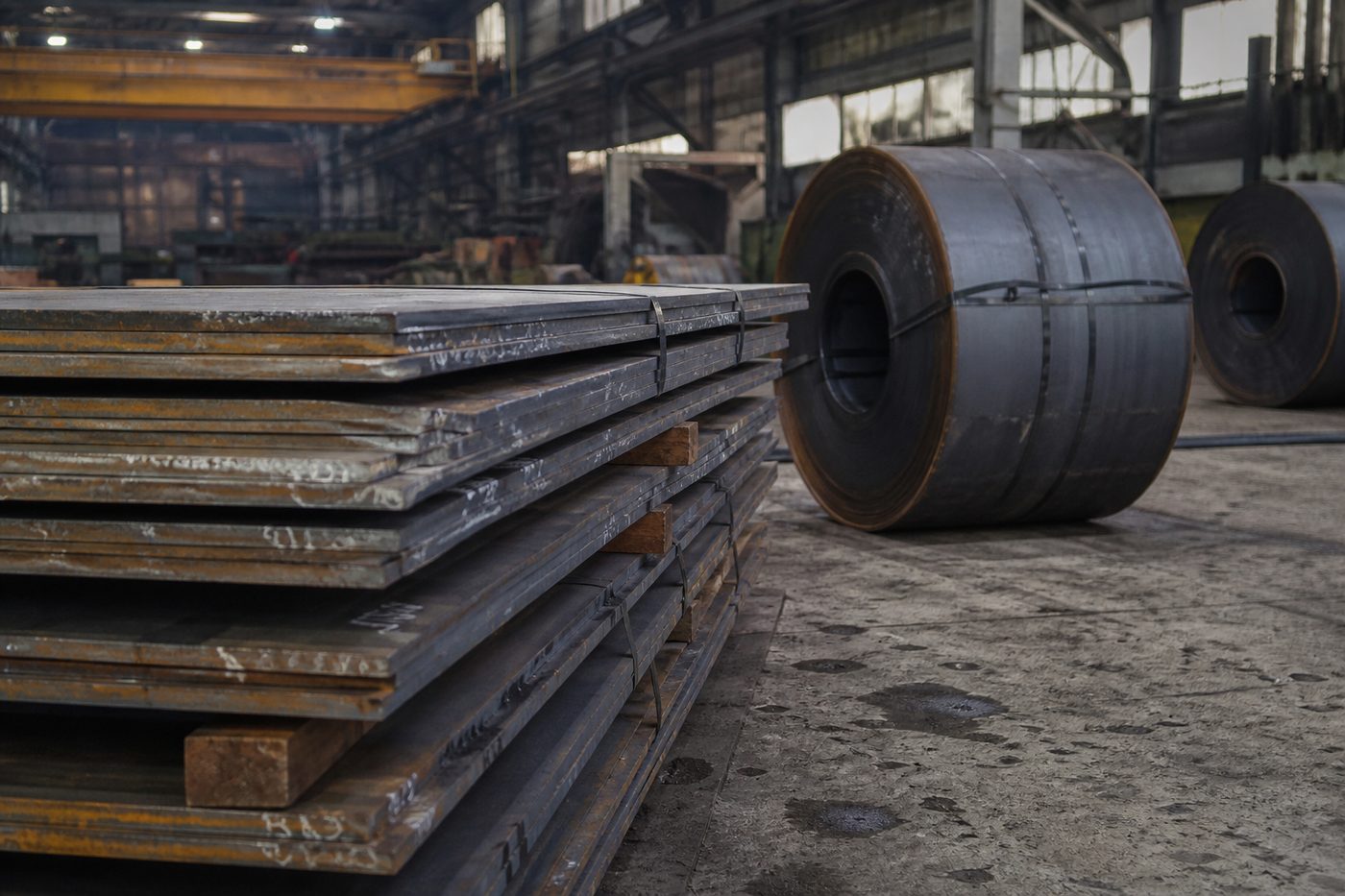
What applies – and why this product group is prioritised
Iron and steel are scheduled among the very first product groups to receive a delegated act under ESPR (EU) 2024/1781, with aluminium following on the same track for energy-intensive intermediates. Simultaneously, the EU Carbon Border Adjustment Mechanism (CBAM) and the revised Construction Products Regulation (CPR) demand verified emissions data and melt-and-pour origin.
While the metals sector has decades of experience with inspection certificates under EN 10204 (2.2 / 3.1 / 3.2), those documents still travel mostly as static PDFs or paper printouts requiring manual re-keying by downstream buyers. Digital product passports transform mill certificate data, pre-/post-consumer scrap shares and carbon footprint figures into a standardised digital record that flows straight into downstream manufacturers' own DPPs.
Product data and documentation to map now
A digital product passport relies on verifiable master data and traceable supplier evidence. For this product group, you should structure data across four core domains:
Chemical composition and mechanical properties
- Steel grade / alloy designation (EN / ASTM number), dimensions and tolerances
- Chemical ladle/cast analysis per heat number from EN 10204 3.1/3.2 inspection certificates
- Mechanical test values (yield strength, tensile strength, impact energy, hardness)
- Surface treatments, coatings (e.g. hot-dip galvanising, organic coating) and corrosion class
Emissions data, EPDs and CBAM metrics
- Product Carbon Footprint (PCF, tonnes CO₂e per tonne of metal) by production route
- Production route disclosure (blast furnace BF-BOF, electric arc furnace EAF, DRI-H₂, electrolysis)
- Third-party verified EPD and direct/indirect embedded emissions per CBAM methodology
- Share of renewable or fossil-free electricity in melting and rolling operations
Recycled content and recyclability
- Total recycled input split into pre-consumer (home/prompt scrap) and post-consumer scrap
- Control of residual/tramp elements (e.g. copper, tin) affecting high-grade recycling
- Alloy sorting guidance for end-of-life dismantling and scrap recovery
- Traceability for closed-loop scrap agreements with industrial customers
Provenance from melt shop to delivery
- Country of melt and pour, rolling mill location and service centre processing steps
- Linkage between heat number, coil/plate/bar ID and customer delivery note
- Quality and sustainability management certificates (ISO 9001, ISO 14001, ResponsibleSteel, ASI)
- REACH and RoHS compliance statements for alloying elements and surface coatings
Typical data challenges – and how to avoid data debt
For mills, foundries, extruders, steel service centres and contract fabricators, the core challenge is preserving the link between physical batches (heat/coil/lot) and structured digital data. A service centre or component supplier often sources metal from multiple mills and slits, cuts or machines it – risking a broken chain of custody between the original melt shop, actual carbon footprint and delivered part.
With Original Creation, you convert data from your ERP, EN 10204 quality certificates and EPDs into machine-readable product passports per article or batch that industrial B2B customers can import directly into their own DPP workflows.
How to get started in 3 practical steps
-
1
Map the data flow from 3.1 mill certificates and EPDs to your ERP
Review how heat numbers, chemical analyses, scrap percentages and carbon metrics are captured today when material is produced or received.
-
2
Structure product grades and batch attributes in a unified template
Separate static grade specifications (alloy standard, nominal properties, EPD) from batch-specific values (heat number, test results, origin).
-
3
Share verifiable metal passports with B2B customers via OC
Give construction, machinery and automotive customers instant access to structured steel and aluminium passports via coil/bundle QR labels or API.