
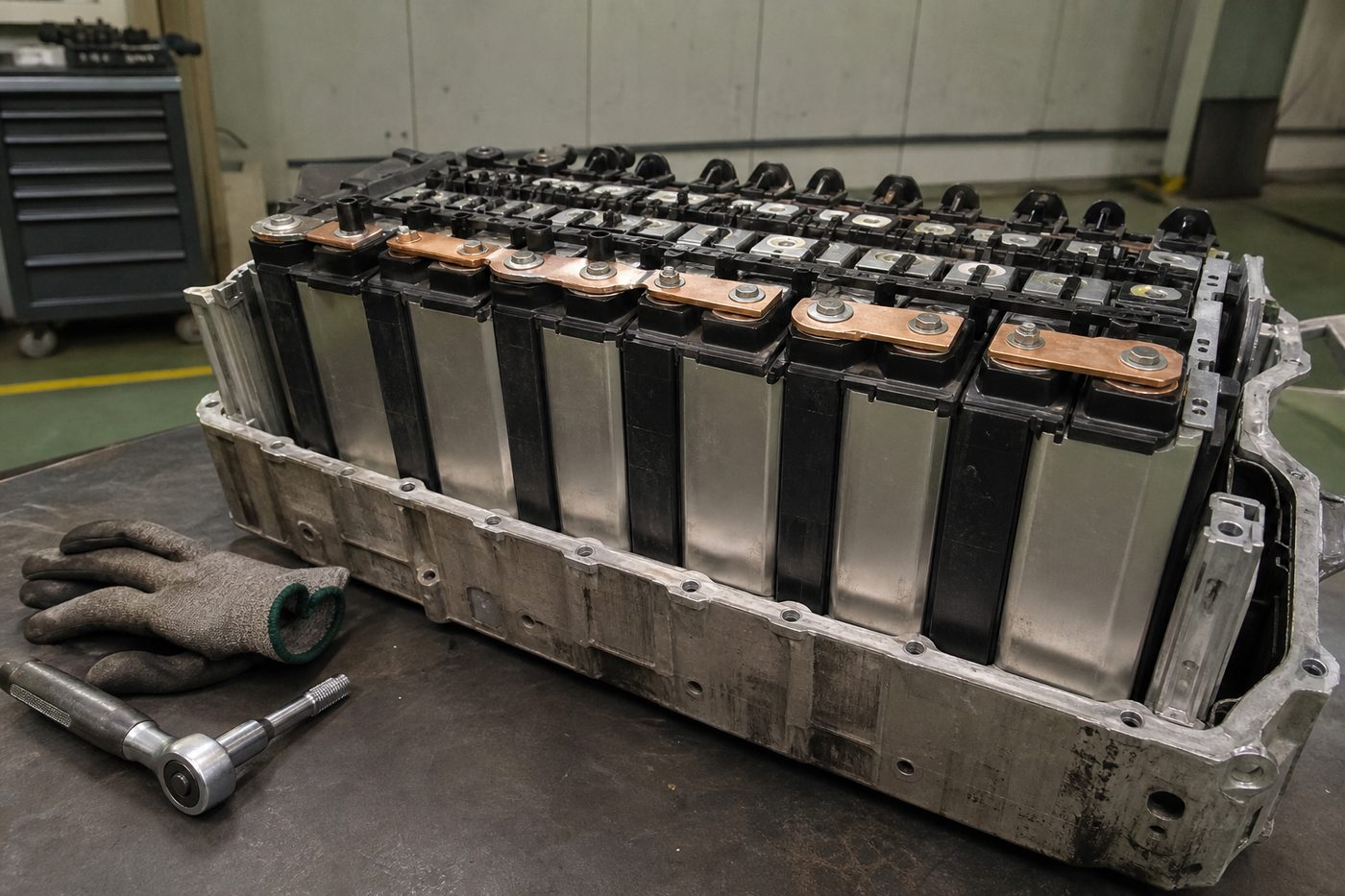
What applies – and why this product group is prioritised
The EU Batteries Regulation (EU) 2023/1542 is the first EU framework where digital product passport obligations take full legal effect. Unlike ESPR categories awaiting delegated acts, the 18 February 2027 deadline is fixed in primary legislation for light means of transport (LMT), electric vehicle (EV) and industrial batteries with a capacity above 2 kWh.
Technical specifications define roughly 71 data points across seven clusters – ranging from cell chemistry and recycled content shares for cobalt, lithium, nickel and lead to verified carbon footprint declarations, electrochemical performance and dismantling manuals. Crucially, the regulation requires differentiated (tiered) access: a static PDF cannot separate public consumer data from confidential dismantling schematics reserved for legitimate-interest operators. Read more in our guide to the February 2027 battery passport deadline.
Product data and documentation to map now
A digital product passport relies on verifiable master data and traceable supplier evidence. For this product group, you should structure data across four core domains:
Composition and critical raw materials
- Battery chemistry (e.g. NMC, LFP, LTO) and cathode, anode and electrolyte materials
- Declaration of critical raw materials (CRMs) and hazardous substances in cells and modules
- Verified recycled content shares for cobalt, lithium, nickel and lead
- Raw material origin and supply-chain due diligence documentation
Capacity, power and operational history
- Rated capacity (Ah/kWh), nominal voltage, power capability and initial internal resistance
- Expected calendar and cycle life, energy round-trip efficiency and fade rates
- Operating and storage temperature boundaries
- Structure for dynamic unit data (State of Health, SoH, cycle count and status changes)
Carbon footprint and conformity evidence
- Carbon footprint (kg CO₂e/kWh) broken down by lifecycle stage and performance class
- Public link to the underlying carbon footprint study
- EU Declaration of Conformity (DoC), CE marking and test reports (e.g. UN 38.3)
- Manufacturer ID, manufacturing site, production date and warranty terms
Dismantling, spare parts and recycling
- Exploded views, wiring diagrams and step-by-step disassembly manuals
- Safety instructions for handling, deep discharge and thermal runaway mitigation
- Part numbers and ordering contacts for replaceable components
- Separate collection symbols and guidance for second-life repurposing or recycling
Typical data challenges – and how to avoid data debt
For battery manufacturers, pack assemblers (OEMs) and importers of industrial equipment containing batteries above 2 kWh, the challenge is rarely generating a QR code – it is connecting cell supplier declarations, BMS/production serial numbers and conformity certificates into one auditable record per battery unit.
Use our product data checklist to audit which of the 71 data points already exist in your ERP/PLM and which must be requested from upstream cell and module suppliers.
How to get started in 3 practical steps
-
1
Classify your battery portfolio against the regulation
Determine exactly which standalone packs and embedded machine batteries fall under LMT, EV or industrial batteries > 2 kWh and who acts as the economic operator.
-
2
Map the 71 data points across ERP and suppliers
Separate static model attributes (chemistry, DoC, dismantling manuals) from serial-specific attributes (production date, batch, SoH).
-
3
Automate passports, QR codes and tiered access in OC
Connect your product data and supplier certificates in Original Creation so public, legitimate-interest and authority views are generated automatically.