
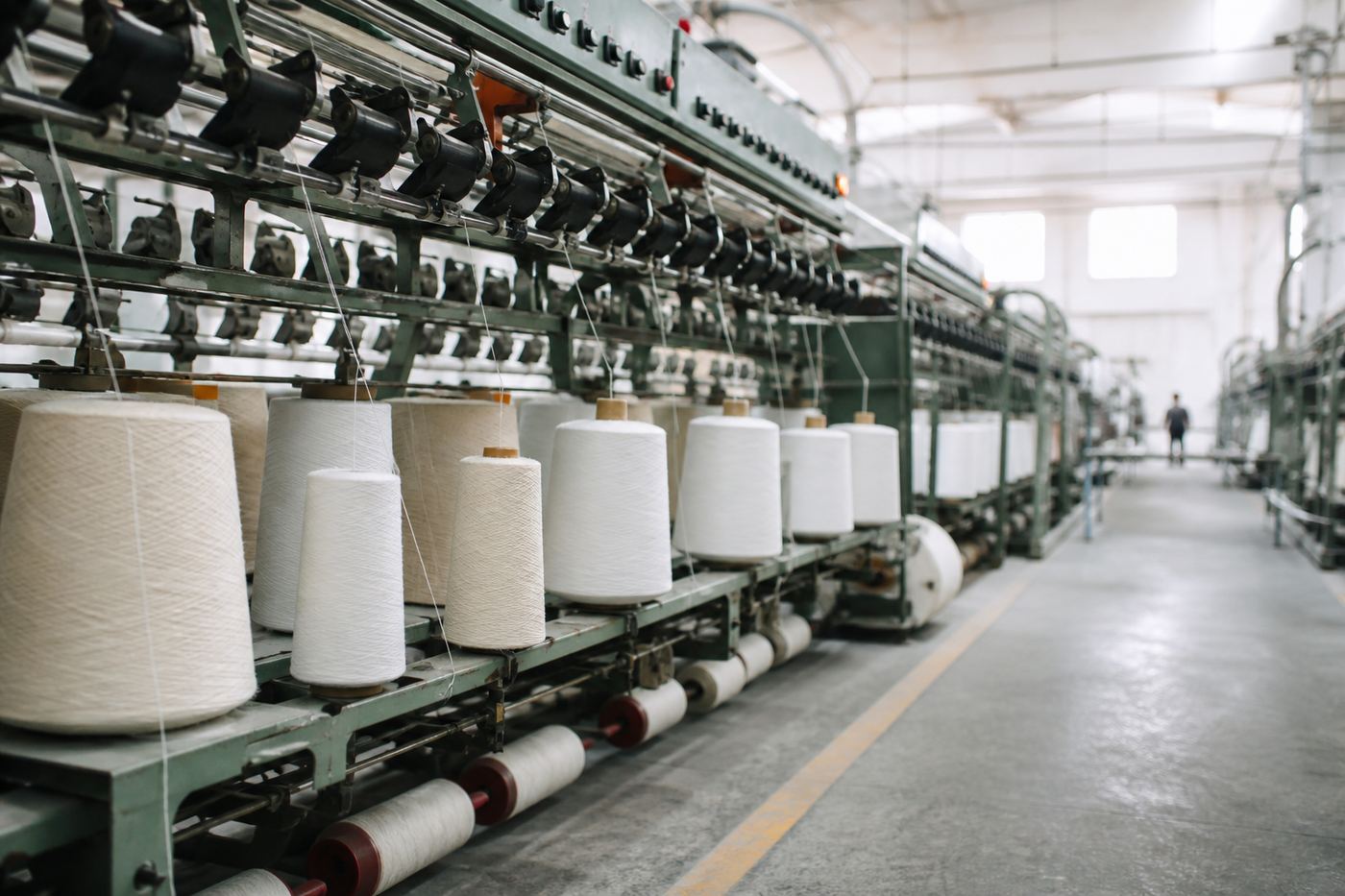
What applies – and why this product group is prioritised
Textiles – spanning fashion apparel, workwear, home textiles and technical textiles – have been singled out since the EU Strategy for Sustainable and Circular Textiles as one of the very first consumer and B2B categories to require a digital product passport under ESPR (EU) 2024/1781. Delegated acts set both physical ecodesign thresholds (durability, colour fastness, fibre sourcing) and mandatory passport data fields.
At the same time, rules on environmental claims (Empowering Consumers / Green Claims), chemical restrictions (REACH, PFAS bans) and Extended Producer Responsibility (EPR) for textiles are tightening across Europe. A well-structured product passport lets you reuse the same verified dataset for regulatory compliance, B2B tenders and consumer transparency.
Product data and documentation to map now
A digital product passport relies on verifiable master data and traceable supplier evidence. For this product group, you should structure data across four core domains:
Composition and recycled content
- Exact fibre composition by weight percentage per component (shell fabric, lining, padding, trims)
- Share of recycled fibres (mechanically or chemically recycled) and certified organic content
- Trims and accessories (zippers, buttons, membranes, sewing thread, labels)
- Synthetic fibre share and information on microplastic fibre shedding
Traceability across Tier 1 to Tier 4
- Tier 1: Cut-make-trim (CMT) / garment assembly facility (country and facility ID)
- Tier 2: Weaving / knitting mill and dyeing, printing and wet finishing facilities
- Tier 3–4: Yarn spinning mill and raw fibre origin (cultivation country or polymer feedstock)
- Social compliance audits and code-of-conduct verification (e.g. amfori BSCI, Fair Wear, SA8000)
Chemicals, certificates and physical durability
- Compliance with REACH Annex XVII, Candidate List (SVHC) and Restricted Substances List (RSL)
- Verification of PFAS-free water-repellent treatments (DWR) and biocide restrictions
- Certificates with expiry tracking (OEKO-TEX Standard 100/STeP, GOTS, GRS, RWS, EU Ecolabel)
- Physical durability test results: abrasion resistance (Martindale), pilling, tear strength, colour fastness
Care, repair and fibre-to-fibre recycling
- Care and washing instructions designed to extend garment or textile lifespan
- Repair guides, spare trims (buttons, buckles, zippers, patch kits) and repair services
- Climate and water footprint indicators (LCA / PEF) per product
- Data for automated optical textile sorting (fibre blend, multi-layer construction and disruptors)
Typical data challenges – and how to avoid data debt
Most apparel, workwear and interior textile companies have solid visibility over Tier 1 suppliers in their ERP or PLM, but information on yarn origin, dyeing mills, chemical test reports and transaction certificates (such as GRS or OEKO-TEX) is trapped in spreadsheets and email threads. When collections turn over every season or base fabrics are reused across dozens of styles, manual data collection creates duplication and expired certificates.
With Original Creation, you manage fabrics, trims and supplier chains as reusable building blocks. Once a base fabric is verified, every garment and colourway using that fabric automatically inherits accurate traceability and chemical compliance data. See our product data checklist to benchmark your current setup.
How to get started in 3 practical steps
-
1
Pick 1–2 core styles or carry-over products as your pilot
Start with never-out-of-stock (NOOS) or workwear staple items sold across multiple seasons to establish a repeatable data model.
-
2
Map Tier 2–3 data gaps and structure your fabric library
Link your core fabrics to weaving mills, wet processing facilities, RSL/OEKO-TEX certificates and durability tests so data is reused across styles.
-
3
Generate product passports with QR care-label links in OC
Publish digital product passports ready for upcoming ESPR delegated acts and provide verified transparency to buyers and consumers.